
Discovering the Charm of Old Town Dubai and Downtown
Intro
Old Town Dubai and Downtown are more than just geographical locations; they are bustling hubs that intertwine history and modernity, presenting a unique urban tapestry that attracts locals and visitors alike. The vibrant streets of Old Town are steeped in culture, showcasing traditional architecture that pays homage to the Emirate's rich heritage. On the flip side, Downtown Dubai, often referred to as the city’s beating heart, epitomizes contemporary sophistication, with its soaring skyscrapers and cutting-edge infrastructure.
This article will unpack the distinct characteristics and cultural significance of these areas while highlighting their historical influences, architectural styles, and enticing key attractions. The pulse of the real estate market in these neighborhoods, coupled with the lifestyle considerations for potential buyers and investors, will also be explored. Through this narrative, readers will gain a keen insight into what makes Old Town Dubai and Downtown quintessential parts of Dubai's broader urban landscape.
Market Trends and Insights
Current Market Overview
As of now, the property market in Old Town and Downtown Dubai is witnessing a blend of traditional and modern investment patterns. Prices have shown resilience, with demand primarily driven by expatriates looking for either luxury rentals or properties to own. According to the Dubai Land Department, the trend is shifting towards family-oriented accommodations in both areas.
Future Projections and Opportunities
With the upcoming events like Expo 202 Dubai and the ongoing infrastructural development in the region, experts predict an uptick in property values in the coming years. The integration of advanced public transport and the government’s initiatives to promote foreign investment are also expected to sweeten the deal for prospective investors looking to dip their toes into the Dubai real estate market.
"Investors should pay close attention to both Old Town’s charm and Downtown's glitter. Each area represents a distinct investment opportunity with its own set of advantages."
Property Types and Investment Strategies
Residential vs. Commercial Properties
In Old Town Dubai, the majority of available properties lean towards residential complexes that cater to families and long-term residents. Conversely, Downtown leans more towards commercial sectors, featuring a variety of office spaces and retail outlets. This distinction makes it vital for interested parties to understand their investment goals.
- Residential Properties: often feature spacious apartments with breathtaking views. Ideal for families seeking long-term residences.
- Commercial Properties: offer lucrative returns due to their strategic location near high foot traffic areas, making them attractive for business owners.
Tips for First-Time Investors
Jumping into the real estate pool for the first time can be daunting. Here are a few strategies to help first-time investors find their footing:
- Understand Your Budget: Have a clear idea of how much you are willing to invest, including potential hidden costs.
- Research Locations: Know the ins and outs of both areas. Old Town offers heritage, while Downtown boasts modern conveniences.
- Engage an Expert: Collaborating with a local real estate agent can save you time and missteps in navigating the market.
- Check Legal Frameworks: Familiarize yourself with property laws to ensure compliance and avoid pitfalls.
In summary, navigating the real estate landscape of Old Town Dubai and Downtown requires a thoughtful approach. Not only are these neighborhoods rich in culture and opportunity, but they also provide pathways for investment that yield both short-term and long-term rewards.
Historical Context of Dubai
Understanding the historical context of Dubai is like peeling back the layers of an onion. It reveals not just the transformations of a city, but the essence of its very identity. Old Town Dubai and Downtown sit at the crossroads of tradition and modernity, reflecting a rich tapestry woven through time. Insights into the past are vital for any investor or expatriate looking to grasp the opportunities that lie ahead. They not only define the character of these areas but also shape the real estate dynamics and community life while showcasing the evolution of a metropolis that has captured the world's attention.
Pre-Modern Era Influences
Trade routes and commerce
Dubai's geographical location, straddling trade routes between East and West, has played a crucial role in its historical significance. For centuries, it served as a vital stop for merchants and travelers, facilitating an exchange of goods, culture, and ideas. This aspect of trade has left an indelible mark on the local economy and society, creating a marketplace that buzzed with diverse cultures.
A key characteristic of trade routes is the synergy they create, fostering relationships between different communities. This is particularly beneficial for understanding Old Town's vibrancy today. The bustling souks and modern shopping experiences in Dubai echo the historical marketplaces, where spices, textiles, and jewelry were exchanged, reflecting the richness of cultural diversity.
The unique feature of these trade routes is their enduring influence on local architecture and customs. Buildings often incorporate elements from various cultures, and you can feel that historical richness when wandering through the narrow lanes of Old Town. However, reliance on trade also led to certain vulnerabilities, especially in modern times, making diversification in sectors like tourism essential for sustainable growth.
Cultural exchanges with neighboring regions
Cultural exchanges with neighboring regions are another foundational element in shaping Dubai's identity. Historical interactions with Persia, India, and East Africa have resulted in a confluence of languages, customs, and art forms. This intermingling has helped build a cosmopolitan character unique to Dubai.
Cultural interchange is a double-edged sword. On one hand, it enriches life, giving residents and visitors alike a taste of multiple traditions. On the other hand, this same blending can create tensions when new customs clash with established ones. Nevertheless, cultural exchanges are a significant reason why Old Town remains a hotspot for tourists eager to experience authentic Emirati heritage.
The pivotal point is that while globalization changes how cultures interact, the essence of Dubai as a melting pot remains intact. Without this rich cultural tapestry, neither Old Town nor Downtown could lay claim to their distinctive characters today.
Development of Old Town
Foundational architecture
The architectural landscape of Old Town is a story in itself, interlaced with elements from various historical eras. The use of local materials such as coral and limestone in its foundational architecture reflects sustainability practices even before they became a global trend. The designs of buildings are not just aesthetic responses to climate; they also serve functional purposes, like the traditional wind towers, which create natural ventilation.
The uniqueness of this architecture lies in its ability to tell stories. Each structure has witnessed the ebb and flow of history, earning its place in the evolving narrative of Dubai. For potential buyers, understanding these architectural styles becomes an essential consideration. The aesthetics and historical value can significantly affect property valuation and allure.
Yet, while the architectural charm of Old Town offers numerous advantages, such as attracting culture-seeking tourists, it can also impede modern developments. Preservation of historical sites often comes with regulatory challenges, making it tricky for investors to navigate.
Impact of globalization
Globalization has acted like a two-way street for Old Town. On one side, it introduced modern amenities, investments, and cultural ideas that enhanced the quality of life. The influx of expatriates has contributed to a more diversified economy, fostering new business opportunities and transforming the local market.
However, with these benefits come disadvantages. The original charm of the area can sometimes feel overshadowed by rapid commercialization and change. Traditional homes and the authentic local ambiance might risk being overwhelmed by new, high-rise developments. Such dynamics are essential for real estate investors to grasp, as they navigate the balance between preserving heritage and catering to modern demands.
Architectural Overview
The architectural landscape of Dubai serves as a vivid reflection of its rich history and rapid modern development. When exploring the essence of both Old Town and Downtown, understanding their architectural nuances is vital. It conveys not only the artistic expressions that have evolved over decades but also embodies cultural identities and innovations that define Dubai today. This narrative dives into the unique architectural elements of these distinct neighborhoods, highlighting how historical influences and modern advancements converge to create a truly unique urban environment.
Heritage Styles in Old Town
Traditional wind towers
One cannot overlook the importance of traditional wind towers, locally known as badgir. These structures were once the hallmark of Iranian architecture, adapted for the hot climate of the Arabian Peninsula. Standing tall in Old Town, these towers exemplify a bygone era where passive cooling techniques were not merely architectural choices but necessities for living comfortably in sweltering heat.
A key characteristic of wind towers is their ability to harness natural breezes and direct them into interior spaces, effectively cooling homes without relying on modern air conditioning systems. This method represents an inclusive approach to environmental design, connecting past practices to contemporary sustainability discourses. The advantages of incorporating wind towers in modern discussions about architecture include their energy efficiency and low environmental impact, making them a symbol of traditional yet effective urban planning.
However, as attractive as they are, the challenge remains in maintaining these older structures amidst the rapid urbanization of Dubai. Preserving the wind towers means balancing heritage with contemporary needs, a tough nut to crack for urban planners in the area.
Use of local materials
When we talk about the use of local materials in Old Town, we touch upon a practice deeply rooted in Emirati culture. Builders of the past utilized readily available materials like adobe, coral stone, and palm fronds, allowing for beautifully constructed, sustainable architecture that also blended seamlessly into the surrounding desert landscape.
A hallmark of this approach is the uniqueness of local materials, which contribute to the identity of Old Town. Using these resources is a beneficial choice, as it not only supports local economies but evokes a sense of place that resonates with inhabitants and visitors alike. In addition, structures built with such materials often carry a unique texture and aroma, offering an intangible heritage that speaks volumes.
On the flip side, there are challenges involved in modern construction that adheres to these traditional practices. Sourcing local materials can sometimes lead to limitations in availability and might complicate the building process. Yet, the charm and authenticity that come from using local resources highlight their lasting value in architectural discussions.
Modern Architecture in Downtown
Skyscrapers and urban planning
Transitioning from Old Town's heritage into the heart of Downtown offers another perspective entirely, arriving at modern skyscrapers that scrape the clouds. The juxtaposition of soaring buildings like the Burj Khalifa against the backdrop of historical sites is not merely a testament to architectural innovation but also a reflection of Dubai's aspirations as a global city.
Skyscrapers serve various functions; they maximize land use, symbolize modernity, and exhibit advancements in engineering while catering to a diverse population. A notable characteristic of these towering structures is their futuristic designs that often incorporate smart technology, allowing for efficient use of resources and energy. The benefits of promoting such urban planning extend beyond aesthetics, ushering in economic opportunities and increased property values, which can be quite attractive for investors looking to capitalize on Dubai's rapid growth.
Still, skyscrapers do pose challenges. Their footprint can overshadow historical sites, potentially diluting cultural significance—a balancing act that requires careful thought and planning.
Integration of sustainability features
As the skyline of Downtown burgeons, there's an increasing focus on integrating sustainability features within modern architecture. This trend speaks volumes about the culture shift towards responsible building practices in the face of climate change. Incorporating green roofs, solar panels, and smart technology into high-rises not only reduces their carbon footprint but enhances livability for residents.
The primary advantage of these sustainable features lies in their dual purpose: they contribute to a healthier environment while also reducing operational costs in the long run. Additionally, creating spaces that encourage communal interaction and reduce reliance on cars can significantly elevate the quality of urban life.
Nevertheless, the challenge remains in the initial costs associated with implementing these sustainable technologies. While they promise long-term benefits, the upfront investments can deter some developers from pursuing these paths. Yet as the Dubai government emphasizes sustainability, we may see a gradual shift in this mindset across the urban landscape.
This dual narrative of architecture in Old Town and Downtown Dubai captivates not only investors but anyone intrigued by the intricate dance of history and modernity. Each structure and design choice reflects broader cultural stories and aspirations, inviting an exploration of the routes taken to arrive at this moment in time.
Key Attractions in Old Town
Exploring Old Town Dubai reveals a myriad of attractions that are both culturally rich and historically significant. This section sheds light on notable place where the past meets the present, presenting vibrant experiences for locals and visitors alike. Discovering these key attractions not only enhances one’s understanding of Emirati culture but also serves to connect the emotions felt by a community deeply rooted in its heritage. The blend of traditional living with modern conveniences illustrates the alluring charm of Old Town, making it a must-visit spot for anyone looking to experience the essence of Dubai.
Cultural Landmarks
Museum of Dubai
The Museum of Dubai stands as a beacon of the city’s historical narrative. Located in the Al Fahidi Fort, this museum isn’t just about exhibits; it's an immersive journey through time. The museum showcases artifacts, multimedia displays and even re-creations of souks and desert life that encapsulate the Emirati lifestyle.
The key characteristic of the Museum of Dubai is its ability to blend artifacts with storytelling, guiding visitors through the evolution of Dubai from a small fishing village to a bustling metropolis. It’s a beneficial addition to this exploration as it provides insights into the sociocultural shifts over the years. A unique feature within the museum is the interactive displays that allow visitors to gain a deeper understanding of the influences that have shaped Dubai’s identity.
However, one disadvantage might be the amount of time you could spend here as the exhibits sometimes draw visitors long into the day. Still, the museum’s comprehensive approach makes it a highlight of any trip to Old Town.
Al Fahidi Historical District
The Al Fahidi Historical District is another gem that anchors Old Town’s allure. This area is layered with narrow lanes, winding alleys, and wind tower architecture that showcase the traditional building techniques of the region. The significant aspect of this district is its preservation of the local culture and lifestyle amid a rapidly modernizing city.
The key characteristic of Al Fahidi is its authentic representation of Emirati heritage. Visitors can wander through art galleries, cultural museums, and a plethora of cafes, all while being enveloped by the atmosphere of historical Dubai. What really sets Al Fahidi apart is the numerous art installations that blend seamlessly into the environment, creating a unique juxtaposition of ancient and contemporary art.
While the challenge of navigating some of the narrower paths can be daunting, the notable beauty of this district makes it worthwhile. Al Fahidi is not just a destination; it’s an experience that helps underscore the vibrancy of Dubai’s past.
Culinary Experiences
Traditional Emirati Cuisine
When diving deeper into the culture, one cannot overlook the significance of Traditional Emirati cuisine. It’s not merely fuel; it embodies the flavors of the UAE's rich heritage. Dishes like Al Harees and Majboos are not only satisfying but tell stories of old culinary traditions passed down through generations.
A standout characteristic of this cuisine is its communal aspect, often enjoyed during social gatherings. For visitors, indulging in traditional meals provides a savory glimpse into Emirati culture. A unique feature is the use of local, seasonal ingredients that contribute to the authentic taste; however, the challenge can lie in finding these dishes in their most genuine form amidst the numerous dining options.
Ultimately, experiencing Traditional Emirati cuisine serves as a highlight not just for the palate, but also for a deeper appreciation of the community.
Fusion Dining Options
As cultures collide, the dining scene in Old Town has embraced fusion cuisine, marrying traditional flavors with international influences. This modern twist brings forth a new culinary dialogue that reflects Dubai’s status as a melting pot of cultures.
Fusion dining is beneficial because it attracts a diverse audience, making it popular among both locals and tourists. Dishes may marry spices from the region with cooking techniques from the West or Asia, resulting in unexpected combinations that delight the taste buds. One unique feature of these dining options is the explosion of creativity found in their menus.
However, one drawback could be that some purists may find fusion cuisine less authentic. Still, the evolution of culinary arts in Old Town adds another dimension to the cultural narrative, making it an enticing experience for all food enthusiasts.
Through these attractions, one can grasp the soul of Old Town Dubai, offering enriching experiences that resonate with hearts and minds alike.
Key Attractions in Downtown
Downtown Dubai stands as a vibrant hub, a testament to the city’s rapid evolution and ambitious vision for the future. This area is not just about modern skyscrapers and luxury shopping; it's a melting pot of culture, entertainment, and activity that attracts locals and tourists alike. Understanding the key attractions here gives a deeper insight into what makes this part of Dubai so significant and appealing. From the breathtaking skyline to diverse entertainment options, the attractions in Downtown offer a unique blend of experiences that cater to various interests.
Iconic Structures
Burj Khalifa
The Burj Khalifa, standing proud at 828 meters, is not only the tallest building in the world but also an architectural marvel that reshapes the skyline. Its design is inspired by Islamic architecture, particularly in the triple-lobed footprint, which can symbolize Islamic history and culture. This towering structure contributes significantly to Dubai’s identity as a global city. Visitors flock to its observation decks for stunning panoramic views of the city and beyond.
What makes Burj Khalifa a stand-out in this article is its role in positioning Dubai as a cosmopolitan center. Not merely a construction feat, it embodies the ambition and innovation of the Emirate. The observation decks offer a unique vantage point, revealing a sprawling desert that meets the urban jungle below. However, during peak tourist seasons, the area can become crowded, which might detract from the experience.
Dubai Mall
Just adjacent to the Burj Khalifa lies the Dubai Mall, a colossal shopping and entertainment complex. It's more than just a retail space; it’s an experience. Showcasing over 1,200 retail outlets and a myriad of dining options, it also features attractions like the Dubai Aquarium and Underwater Zoo. The mall is a social hub where families gather, friends meet, and memories are created.
One of Dubai Mall’s significant characteristics is the Dubai Fountain, which dazzles crowds with its choreographed water shows. This adds a layer of whimsy to the shopping experience, making it a popular spot for both locals and tourists seeking entertainment. An advantage of Dubai Mall lies in its accessibility. With ample parking and links to public transport, it leaves no excuse for missing out. Still, its sheer size could lead to confusion. Visitors might find themselves wandering in circles if they're not familiar with the layout.
Art and Entertainment
Dubai Opera
The Dubai Opera is a key player in elevating the cultural landscape of Downtown. This architectural marvel, shaped like a traditional Dhow, hosts a variety of performances from opera to ballet to concerts. It’s an incubator for artistic expression and is emblematic of Dubai’s appreciation for the arts.
The significance of Dubai Opera in this article lies in its ability to draw not just local talent but also international performers, marking it as a cultural nexus. The venue's state-of-the-art acoustics enhance the experience for audiences, making it a top choice for those looking to indulge in the performing arts. However, ticket prices can be steep, which might limit access for some segments of the community.
Public Art Installations
Public art installations across Downtown add another dimension to the area. These are not mere decorations; they tell stories, provoke thought, and reflect the ethos of the city. From sculptures to murals, these works invite interaction and engagement, making art a part of daily life.
One notable aspect of these installations is their ability to transform the urban environment into a canvas of creativity. They enrich the community by sparking conversations about culture and identity, while also enhancing the aesthetic of public spaces. However, it’s essential to recognize that not all installations resonate with every visitor, leading to mixed reviews on their significance.
In summary, the Key Attractions in Downtown are more than just visually stunning or entertaining; they encapsulate the essence of what Dubai represents and its journey from a small trading post to a bustling metropolis. Whether it’s the awe of the Burj Khalifa, the retail therapy of Dubai Mall, or the cultural experiences at Dubai Opera and through public art, each attraction contributes to the rich tapestry that is Downtown Dubai.
Real Estate Dynamics
The real estate landscape of both Old Town Dubai and Downtown provides a fascinating glimpse into the city's evolution and growth. A careful examination of real estate dynamics in these areas reveals not only market trends but also lifestyle shifts, investment opportunities, and the delicate balance between tradition and modernity. Engaging with this topic is essential for investors, real estate agents, and expatriates keen on navigating the Dubai property market.


Understanding these dynamics involves dissecting various factors such as property pricing, demand for homes, and emerging investment prospects. Each aspect adds to the broader personality of Dubai, showcasing how locations are becoming coveted hotspots for residents and investors alike.
Market Trends in Old Town
Property pricing shifts
When looking at property pricing shifts, a notable aspect is how Old Town's real estate reflects the heritage and unique charm of the area. Over the last few years, prices have fluctuated, influenced by both local demand and global trends. The key characteristic of these shifts is their alignment with market demands for authenticity and historical value amidst rapid urbanization. Many buyers are now more inclined to invest in areas that capture the essence of Emirati culture while promising appreciation in property value.
This trend is beneficial for those looking to capitalize on Old Town's historical significance. The unique homes here, often featuring traditional Arabian architecture and intricate designs, are not just properties; they represent a piece of Dubai's legacy. Yet, potential downsides exist. As prices rise due to demand, some see affordability slipping away, which can deter potential buyers looking for a traditional, yet modern, living space.
Demand for traditional homes
The demand for traditional homes in Old Town is a striking feature of the current real estate climate. As people become more aware of the cultural importance these homes hold, interest from local and international buyers has surged. This trend contributes significantly to preserving Emirati heritage and attracting a culturally-minded audience. The allure of owning a piece of history makes buying traditional homes a wise choice for investment.
A key characteristic is that these properties tend to outshine their modern counterparts in terms of character and distinctiveness. However, the unique nature of traditional homes can come with challenges. Older properties may require renovations or face stricter regulations concerning alterations, which can add to the overall investment cost.
Downtown Property Investments
Luxury market analysis
Diving into luxury market analysis in Downtown reveals a vibrant environment ripe with opportunities. With iconic structures such as the Burj Khalifa and lavish amenities, this area has established itself as a global luxury hotspot. The spotlight on Downtown real estate is intense, drawing investors eager for high-end properties that promise significant returns.
The uniqueness of this luxury market lies in its multi-faceted offerings, from ultra-modern skyscrapers to lavish apartments with unrivaled views. However, the intense competition can be a double-edged sword; while it signifies high demand, it also means discerning investors must move fast.
Returns on investment
Discussing returns on investment in Downtown highlights the area's strong appeal to property investors. Many see this as a golden opportunity, given the booming economy and escalating interest in Dubai as a global city. A characteristic benefit of investing here is the potential for substantial capital appreciation over time due to the area's consistent growth and development.
Moreover, the vibrant cosmopolitan lifestyle acts as a magnet for expatriates and tourists alike, fuelling rental demand. Yet, potential investors must also consider market volatility. Economic fluctuations can impact rental yields, making thorough research essential.
Ultimately, understanding the nuances of real estate dynamics in both Old Town and Downtown allows potential buyers and investors to make informed decisions that align with their goals, sustainability, and lifestyle aspirations.
Lifestyle Considerations
Exploring the lifestyle in both Old Town and Downtown Dubai is essential to grasp the character and appeal of these contrasting yet interconnected neighborhoods. Each area offers distinct elements that attract different demographics, making them suitable for various lifestyles and preferences. Understanding these considerations assists potential residents and investors alike in making informed decisions.
Living in Old Town
Community atmosphere
The community atmosphere in Old Town is one of its most appealing features. It reflects a blend of tradition and modernity, creating a tight-knit environment for residents. Streets lined with quaint shops and cafés encourage interactions among neighbors, fostering a sense of belonging that often feels absent in more commercial districts. The charm of Old Town can be felt particularly during festivals and cultural events, where locals gather to celebrate, share stories, and participate in communal activities. This contributes significantly to the overall enjoyment of life in this area, making it a popular choice for families and individuals seeking a more intimate lifestyle.
However, a potential downside is that, while Old Town retains its authenticity, some find it lacking in the fast-paced amenities available in newer developments. Still, that unique character is what draws many in—its personal touch and slower pace create a welcome contrast to the bustling city vibe found elsewhere in Dubai.
Access to amenities
Access to amenities in Old Town also plays a vital role in its lifestyle appeal. The proximity of supermarkets, schools, and healthcare facilities ensures residents have all necessary services close at hand. Notably, the Dubai Creek area nearby allows for leisurely strolls or picnics, while local markets provide fresh produce and unique finds.
Yet, it's worth mentioning that while essential services may be more straightforward, the selection can sometimes feel limited compared to the vast choices available in Downtown. This balance of community and conveniences makes living in Old Town an interesting dilemma—navigating between charm and modernity. Residents often enjoy the ability to engage with their surroundings in a way that feels more personalized, despite these occasional trade-offs.
Urban Living in Downtown
Vibrancy and nightlife
The vibrancy and nightlife in Downtown inject a pulse into the urban experience that attracts young professionals and creatives. With the Burj Khalifa lighting up the skyline and a plethora of bars, restaurants, and entertainment venues, the area never seems to sleep. The nightlife is not just about loud music and buzzing bars; it encompasses a cultural tapestry where various nationalities mingle, showcasing everything from dance performances to food festivals.
Such a lively atmosphere provides an exciting backdrop for social gatherings and events, making it an ideal spot for those who thrive on interaction. However, noise and light disturbances due to late-night activities can be a concern for those looking for a peaceful retreat. But for many, the advantages of living at the heart of the city's action outweigh the potential drawbacks.
Public transport options
Public transport options, including the Dubai Metro and extensive bus networks, facilitate easy movement around the city for Downtown residents. This accessibility enhances the allure of urban living, reducing reliance on private vehicles and helping to alleviate traffic congestion. Moreover, convenient connections to key spots, such as malls and cultural landmarks, maximize the efficiency of daily commuting.
However, the crowded nature of public transport during peak hours can be a frustrating experience for some. In this urban setting, residents must adapt to the ebb and flow of city life, with proximity to amenities coming with the rhythm of a fast-paced environment. Overall, while public transport offers plenty of convenience for those living in Downtown, it also serves as a reminder of the hustle and bustle that defines this vibrant urban landscape.
"Understanding the lifestyle considerations of each area in Dubai not only informs potential investment choices but also shapes the experience of living amid this fascinating city's constant evolution."
In summary, navigating through the lifestyle considerations of Old Town and Downtown reveals a rich array of choices that reflect personal preferences, from community engagement to vibrant nightlife. Residents need to assess these factors to find their ideal fit within the larger narrative of Dubai's unique urban life.
Cultural Significance
The cultural significance of Old Town Dubai and Downtown extends beyond mere geography; it encapsulates the essence of a rapidly evolving city that bridges tradition and modernity. The vitality of culture in these areas shapes the identity and community experience for both residents and visitors. Emphasizing historical heritage and international connections, their significance in the broader context is evident.
Emirati Heritage in Old Town
Preservation Efforts
When looking at preservation efforts in Old Town, it becomes apparent that it is not just about maintaining buildings but also safeguarding stories. Historical sites like the Al Fahidi Historical District stand testament to Dubai's cultural narrative. This area is a patchwork of restored houses and museums reflecting traditional Emirati life. These efforts are critical in a world that’s constantly looking forward.
The role of local artisans in these efforts cannot be overstated. Skilled craftsmen work tirelessly to restore and maintain traditional architecture, bringing back the charm of wind towers and vibrant souks. They not only preserve structures but also the essence of a disappearing way of life, which is increasingly rare in today’s fast-paced world.
While preservation helps keep history alive, it is not without challenges. Costs can soar, and there’s a constant balancing act between modernization and heritage conservation. This delicate dance is crucial for maintaining the area’s character and appeal.
Role in National Identity
Old Town’s architecture and cultural aspects are intricately tied to the Emirati national identity. The preservation of heritage reflects a conscious effort to establish an identity that acknowledges past influences while moving forward. This blend creates a sense of belonging among the Emirati community, fostering pride in their roots.
Here, cultural events and festivals play a pivotal role. For instance, the Dubai Shopping Festival and the Art Dubai fair celebrate both local creativity and international influences, uniting diverse cultures under one banner. This not only enhances national identity but also invites inquiry and appreciation from the global community.
However, while these initiatives are crucial for national pride, they come with the need for a sensitive approach to diversity. Balancing local tradition with global influence is essential in a multicultural city like Dubai. Thus, the challenge lies not in isolation but in integration, ensuring everyone feels included in the cultural tapestry.
Global Influence of Downtown
Attraction of International Tourism
Downtown Dubai stands as an emblem of modern ambition, attracting tourists from around the globe like moths to a flame. Its iconic sights, including the Burj Khalifa and the expansive Dubai Mall, offer experiences that are not just about shopping but about culture and entertainment as well. For many, the allure of Downtown is a reflection of progress—where tradition meets cutting-edge innovation.
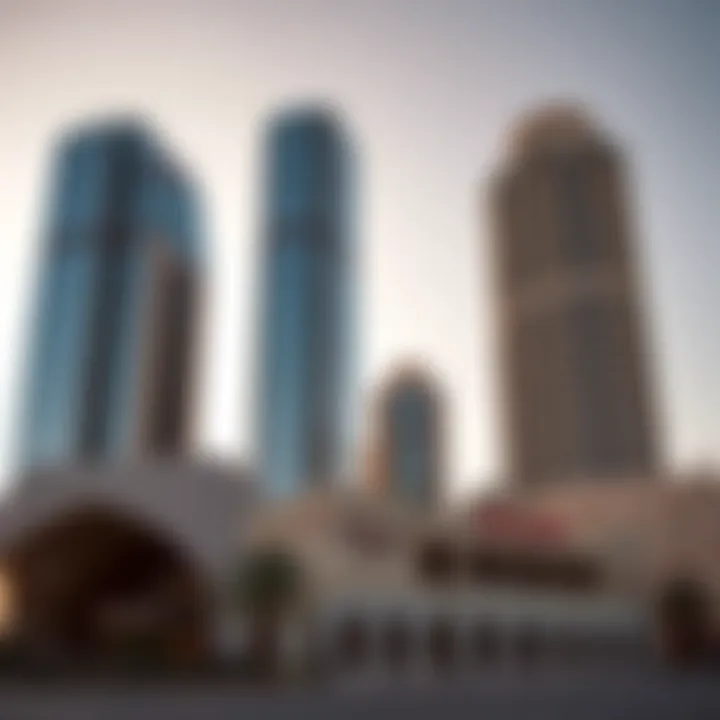
Tourism has become a powerful driver for economic growth here. The influx generates not only revenue but also cultural exchanges that enrich the local landscape. Visitors often leave their mark, influencing trends, culinary styles, and even local art, which leads to a melting pot of ideas that thrives on diversity.
However, this comes with its own set of challenges. Having a surge of tourism puts pressure on local infrastructure and can sometimes lead to an overshadowing of local culture by more commercial interests. Ensuring that Downtown remains a place where both tourists and locals can coexist harmoniously is a delicate balancing act.
Cultural Exchange Initiatives
In the context of enhancing global influence, cultural exchange initiatives play a significant role in Downtown’s identity. The city engages in various programs aimed at fostering collaboration between artists, musicians, and filmmakers from different parts of the world. Platforms such as the Dubai Art Season promote creativity, showcasing works from全球 artists.
Such initiatives serve not just to beautify the city but also to spark dialogues among cultures. They invite participation from diverse backgrounds, allowing for mutual learning and understanding. This interaction enhances a sense of camaraderie and respect, showcasing Dubai as a hub where various ideas collide and create something beautiful.
Despite these efforts, there is an ongoing challenge in maintaining a genuine cultural exchange. Ensuring that initiatives reflect true engagement rather than mere tokenism is vital for ongoing success in nurturing a rich cultural landscape. \n Overall, both Old Town Dubai and Downtown are more than simple designations of property and commerce; they are vibrant reflections of the shifting cultural tides in a city that is constantly redefining itself.
Future Developments
Focusing on future developments in Old Town and Downtown is crucial for understanding how these areas will evolve. Ongoing changes not only enhance their cultural significance but also influence the real estate dynamics and community well-being. The potential growth in property values, heightened investor interest, and adaptations to urban living needs all fall under the lens of future developments. By exploring revitalization and expansion plans, it's possible to make informed decisions as the market shifts.
Revitalization Projects in Old Town
Investment opportunities
Investment opportunities in Old Town are gaining traction as revitalization projects take center stage. The unique charm of this area, combined with its rich heritage, makes it an attractive prospect. Potential investors are drawn to the planned enhancements that will ensure the old meets new seamlessly. Key characteristics of these investment opportunities include government support and community engagement, aiming to breathe life back into the historical neighborhoods.
The unique feature of these investment endeavors lies in their commitment to preserving historic architecture while incorporating modern conveniences. This dual approach not only appeals to real estate investors but also caters to residents and tourists alike, enhancing the overall attraction of Old Town. The advantages include potential higher property values and a stable rental yield, while challenges such as maintaining the integrity of heritage sites must be carefully navigated.
Impact on local community
Examining the impact on the local community is vital when considering revitalization efforts. As these projects unfold, they foster local pride, providing access to better facilities and services. A key aspect of these initiatives is the inclusion of community spaces, promoting engagement and interaction among residents. By addressing needs—like parks, schools, and cultural hubs—the plans focus not just on economic growth but on enhancing quality of life in Old Town.
The unique feature here is the emphasis on cultural preservation alongside modernization. This balance helps retain the historical essence while encouraging new community dynamics, supporting local businesses and creating job opportunities. However, it's essential to be mindful of possible gentrification effects; revitalization without sensitivity can alienate long-standing residents. Properly managing this impact is crucial to ensure that the revitalization projects uplift rather than displace.
Expansion Plans for Downtown
New developments and infrastructure
Expansion plans for Downtown are both ambitious and necessary, given its role as a central hub of Dubai. These new developments often prioritize cutting-edge infrastructure that streamlines daily life. A key characteristic of these initiatives is the focus on sustainability and smart technology integration within new buildings. They are not just about the aesthetics; they're designed for efficiency and environmental considerations.
The distinct advantage of these developments is their appeal to both domestic and international investors. For instance, state-of-the-art residential units and office spaces attract a diverse range of tenants, contributing to a vibrant urban life. However, rapid development must be balanced with adequate infrastructure to prevent congestion and maintain the area’s liveability.
Evolving urban landscape
As we observe the evolving urban landscape, it's clear that Downtown is becoming a fusion of tradition and innovation. With the incorporation of parks, art installations, and pedestrian-friendly zones, the character of the area is changing. A distinguishing feature of this evolution is its responsiveness to urban needs, such as green spaces in high-density areas, which provide a welcome retreat for residents and tourists.
The benefits of these developments range from improved environmental conditions to enhanced community integration. However, the challenge lies in maintaining a sense of cultural identity while adapting to modernity. As Downtown transforms, stakeholders must think carefully about preserving the unique attributes that define its charm while embracing necessary modernization.
Navigating the Real Estate Process
When it comes to the dynamic landscape of real estate in Dubai, particularly in regions like Old Town and Downtown, understanding the navigation mechanism is crucial. This is not just a matter of picking a property you fancy; it involves grappling with a myriad of legal, financial, and practical considerations that can either make or break your investment journey. A nuanced understanding of these processes can lead to making informed choices and maximizing investment returns.
Buying Property in Old Town
Legal considerations
The legal landscape surrounding property acquisition in Old Town is a somewhat intricate web. Potential buyers must be fully aware of property ownership laws in the UAE, which vary significantly depending on whether one is a local or an expatriate. For instance, foreign nationals can only buy property in designated areas, and understanding the specifics of leasehold versus freehold properties is essential.
A key characteristic of the legal framework in the UAE is the enforcement of regulations that protect property rights. This makes it a somewhat secure environment for investment. However, the qualifications to engage in property purchases, like obtaining a residency visa, can be a stumbling block for some.
The unique feature of these legal considerations is their strictness, which provides clarity and safety for investors. The downside? Navigating these laws requires due diligence and, often, the encapsulation of legal assistance, which can add to upfront costs. Overall, understanding legal implications will bolster your confidence as you explore the properties in Old Town.
Financing options
Financing a property purchase in Old Town can be a double-edged sword. On one side, various financing options are tailored to foreign buyers, including mortgage facilities that can take care of a significant portion of the property's cost. Banks like Emirates NBD or Mashreq Bank offer competitive rates for both local and expatriate investors, making it easier than ever for potential buyers.
What stands out in the financing landscape is the availability of flexible payment plans. This aspect is particularly appealing to investors, as it allows for phased payments throughout the construction phase of new properties. However, potential buyers should tread carefully, as failing to read the fine print can lead to unforeseen fees or penalties associated with these financing options.
While the variety of financing mechanisms available can make property acquisition accessible, it's important to consider the implications on long-term financial stability. Proper budgeting and an understanding of future cash flow are essential.
Investing in Downtown
Identifying opportunities
When looking at Downtown Dubai, the real estate narrative is vibrant and ever-changing. Identifying investment opportunities hinges on keeping an eye on market trends. Within Downtown, the allure of properties often stems from their proximity to iconic landmarks like the Burj Khalifa and Dubai Mall. These areas are not just attractive for residents but also beckon international investors due to their consistent demand.
The fundamental characteristic in identifying these opportunities is the plethora of upcoming developments. New projects, often marketed with aggressive pricing strategies, present a chance for investors to snag deals before they escalate in value. Still, this realm can feel like a double-edged sword, as investing too early in undeveloped areas comes with its risks and uncertainties.
Notably, keeping a close watch on government initiatives can be advantageous. Regulations that facilitate overseas investment or urban development projects can shift market dynamics dramatically. Understanding these trends gives investors a leg up, enabling them to align their portfolio strategically.
Working with agents
In the realm of Downtown, working with real estate agents can significantly enhance the investment experience. Expert agents possess invaluable insights into the local market, providing intelligence on neighborhoods that may not be on buyers' radar. Engaging a seasoned professional can open doors to off-market listings and exclusive properties.
The principal benefit of collaborating with agents is their extensive networks. They often have relationships with developers and can share firsthand information about upcoming projects or price changes. Their guidance can be key in negotiating a more favorable deal.
However, it’s prudent to choose an agent who knows the market inside and out. Not all agents are created equal, and a poor match can lead to wasted time and potential financial missteps. Ensure that the agent's philosophy aligns with your investment goals, and you’ll stand a better chance of navigating the fast-paced Downtown market effectively.
Culmination
In understanding the essence of Old Town Dubai and Downtown, we see a vivid tapestry woven from history, heritage, and modernity. Both areas not only reflect the rapid transformation of Dubai but also celebrate its rich cultural roots. As our exploration unfolded, we highlighted the nuances that define each locale, from architectural styles to cultural landmarks, and how they attract both residents and tourists alike.
For investors and potential buyers, the insights into property dynamics and lifestyle contrasts are significant. This conclusion serves a dual purpose; first, it synthesizes the main points discussed within the article, and second, it provides guidance for those contemplating investment or relocation in these vibrant neighborhoods.
Comparative Reflections
Contrasting lifestyles
Living in Old Town offers a distinct atmosphere infused with tradition, where one can immerse oneself in the Emirati culture amidst winding alleys and historic buildings. It's akin to living in a storybook, where modern conveniences coexist with the charm of yesteryears. In contrast, Downtown Dubai is a bustling hub, pulsating with life and activity. The skyline is dominated by towering skyscrapers, and life's rhythm moves at a frenetic pace.
This dichotomy—where Old Town's serene charm offers a community feel, while Downtown caters to those seeking vibrancy and excitement—makes each lifestyle choice appealing in its own right. The community spirit found in Old Town is bolstered by close-knit neighborhoods, adding a layer of warmth that might be missed in the hustle and bustle of Downtown. However, the latter compensates with unmatched entertainment options and a dynamic atmosphere, making it a hotspot for younger crowds and professionals alike.
Investment prospects
As we delve into the investment prospects within these two neighborhoods, notable contrasts emerge. Old Town, with its historical significance and unique architecture, garners attention from those looking for authentic residences that could appreciate over time. The charm of traditional homes is a major draw, often leading to stable demand. One unique feature here is the blend of cultural elements that not only enhance the aesthetic value but also contribute positively to property values.
On the flip side, investing in Downtown presents robust opportunities primarily due to its modern infrastructure and luxury market appeal. The rapid development and influx of international investments often lead to significant returns on investment. However, the competitive nature of the market can sometimes lead to higher risks due to fluctuation in property values.