Understanding Ramadan's Significance in the UAE


Intro
The approach of Ramadan in the UAE brings with it a sense of eager anticipation that can be felt in every corner of the community. This month, observed by millions, is much more than a time for fasting; it’s a period steeped in spirituality, reflection, and cultural practices that impact daily lifestyles. As residents and expatriates alike prepare, there’s a palpable buzz in the air, with discussions around moon sighting and the onset of this significant month.
Ramadan is unique in its observance, with its timings decided by the Islamic lunar calendar, which means that each year it begins on a different date, estimated by the appearance of the moon. This custom of moon sighting — not just a tradition, but a deeply-rooted practice — serves as a fascinating intersection of faith and astronomy. While the anticipation builds, people often look toward local mosques or religious authorities to confirm the date, encouraging community bonding and unity.
Every year, the lead-up to Ramadan ignites a series of changes within both social practices and economic activities across the Emirates. From shifts in business hours to special community events, the rhythm of life transforms significantly. It’s essential to understand these dynamics, particularly for investors and property managers, as the month shapes market behaviors in real estate, retail, and various sectors.
In this article, we will delve into the traditions associated with Ramadan, illuminate the broader implications for daily life in the UAE, and provide valuable insights for property investors. Whether you have lived in the UAE for years or are just exploring the possibilities, recognizing the nuances of Ramadan can greatly enhance your understanding of the local culture and market trends.
Understanding Ramadan
Ramadan, a month steeped in history and spirituality, holds a pivotal place in the hearts and cultures of Muslims around the world. In the context of the UAE, the significance of this holy month extends beyond mere fasting and spiritual reflection; it intertwines with the very fabric of societal and economic life. As the UAE is home to a diverse spectrum of cultures, being aware of what Ramadan signifies is essential not just for the practicing Muslims, but for everyone living in or doing business with this vibrant nation.
The anticipation for Ramadan starts to build well in advance, as communities begin preparing for the unique blend of spirituality and culture that this month brings. Understanding the nuances of Ramadan can enhance empathy towards those observing the fast and can foster a more harmonious coexistence among different cultures.
Significance of Ramadan in Islam
Ramadan is considered the holiest month in the Islamic calendar. During this month, Muslims commemorate the first revelation of the Quran to the Prophet Muhammad. The act of fasting from dawn until dusk is not merely abstaining from food and drink; it symbolizes a path towards self-purification and spiritual growth.
Fasting is one of the Five Pillars of Islam, making it an obligatory act that reinforces discipline and self-control. This spiritual journey allows believers to feel a deeper connection to their faith, encourages empathy for those who are less fortunate, and ignites a spiritual revival within the community.
"Ramadan is not just about abstaining from food; it is a time for reflection, self-improvement, and devotion to prayers."
Furthermore, Ramadan is a month of increased prayer and community involvement. During this time, special nightly prayers, known as Taraweeh, are performed. The connection among community members strengthens as they gather for prayers, share Iftar meals, and support charitable endeavors.
Cultural Impact of Ramadan in the UAE
In the UAE, Ramadan transforms the landscape, bringing together people from various cultures under a shared experience. Subtle yet profound changes sweep through society, influencing daily routines, business hours, and even social interactions.
Culturally, Ramadan inspires vibrant activities, such as:
- Iftar Gatherings: Families, friends, and even strangers come together to break their fast at sunset, fostering a strong sense of togetherness.
- Culinary Delights: Special dishes come to life during this month. Traditional foods and sweets, meticulously prepared, create a unique gastronomic experience that is eagerly awaited every year.
- Community Outreach: Numerous charitable events spring up, focusing on supporting those in need, reinforcing the value of generosity associated with this period.
In the business realm, many companies adjust their operations to accommodate the fasting hours, showing respect for the traditions while maintaining productivity. It creates a unique ambiance, as shoppers often flood markets post-Iftar, enjoying vibrant nights filled with special promotions, extending their shopping hours until late.
Understanding Ramadan is not just about recognizing a religious practice; it’s about appreciating a cultural phenomenon that unites a nation, enriches lives, and reinforces communal bonds. As the anticipation builds for this holy month, it's essential for everyone—investors, expatriates, and local residents alike—to embrace the spirit of Ramadan and understand its profound impact on the UAE.
Determining the Start of Ramadan
The commencement of Ramadan holds considerable weight for Muslims across the globe, and it takes on an especially vibrant hue in the United Arab Emirates. Understanding how the start of this holy month is determined greatly enriches our appreciation for an observance that ties together deeply-rooted tradition with spiritual significance. By establishing a clear framework around this topic, we can better grasp the intricate dance between astronomy, community practices, and religious authority that marks the onset of Ramadan.
The Moon Sighting Tradition
One of the hallmark customs in the UAE surrounding the initiation of Ramadan is the moon sighting tradition. This practice is not merely ceremonial; it encapsulates the very essence of Islamic belief regarding the lunar calendar. Muslims believe that the sighting of the crescent moon—hilal—signals the arrival of the month. In many towns and cities, dedicated committees of community members or religious leaders gather in the evening to observe the skies, relying on keen eyesight rather than technology.


This traditional sighting adds a communal element, fostering a sense of unity and shared faith. The anticipation builds in the days leading up to Ramadan, creating an air of excitement and collective hopefulness.
"When the crescent moon is sighted, it’s like a shared secret whispered among friends; it binds us all together in faith.”
Official Announcements and Calendar Adjustments
Following the sighting, the official announcement becomes pivotal. The UAE has adapted its practices to include a formal statement from the Federal Authority for Spiritual Affairs. These announcements carry weight and credibility, providing clarity not just for observant Muslims but also for businesses and governmental bodies. Adjustments to schedules, working hours, and community activities often hinge on the date released by these authoritative bodies.
In this highly connected modern age, announcements are rapid, often disseminated via social media, news outlets like Gulf News, and community messaging. This swift communication helps align the diverse expat community and local residents to the same spiritual framework, reinforcing the country's collective observance.
Religious Authorities in the UAE
The role of religious authorities in the UAE cannot be overstated. The influence of the General Authority of Islamic Affairs and Endowments guides the practices related to Ramadan's commencement. Their decisions are grounded in extensive knowledge of Islamic law and community consultation. It's a symbiotic relationship, where the authorities rely on traditional practices, while the community looks to them for guidance in matters of faith.
Furthermore, their interpretations and rulings have wide-ranging implications for the daily lives of Muslims during Ramadan. Whether it’s offering exemptions for certain community members, or establishing prayer schedules, the guidance offered is central to maintaining spiritual harmony.
In essence, determining the start of Ramadan in the UAE is a multifaceted process. The intertwining of traditional moon sightings, formal announcements, and the wisdom of religious authorities shapes a unique experience that resonates with both the local and expatriate communities. As we look forward to this illustrious month, the reverberations of these conventions remind us of the collective faith that binds each day of Ramadan.
Daily Life During Ramadan in the UAE
During Ramadan, daily life in the United Arab Emirates undergoes a remarkable transformation. The rhythms of everyday existence adapt to the spiritual requirements and communal spirit that define this holy month. For many, it is not just a time of fasting but a holistic experience that encompasses family devotion, cultural practices, and social gatherings. This shift is particularly significant in the UAE, where a diverse array of cultures coexist, each bringing its own blend of customs and traditions into the fold of Ramadan observance.
Fasting Practices and Exceptions
Fasting, or sawm, is one of the Five Pillars of Islam and holds immense significance during Ramadan. Muslims in the UAE abstain from food and drink from dawn until sunset, engaging in a form of discipline that is both physical and spiritual. However, not everyone is required to fast. Certain exemptions apply, including:
- Children: Those who have not reached puberty are not obligated to fast.
- Pregnant and Nursing Women: Mothers are often relieved from fasting due to health considerations for themselves and their infants.
- Travelers: Journeying can make fasting challenging, hence many choose to postpone their fast.
- Ill Individuals: People who are unwell, whether temporarily or chronically, are excused and may compensate later.
These exceptions showcase a compassionate approach within the Islamic framework, recognizing the varying circumstances that might affect one’s ability to observe fasting in its entirety.
Iftar and Suhoor Traditions
As the sun dips below the horizon, the call to Maghrib prayer marks the end of the day’s fast. This moment is heralded with great anticipation as families and friends gather to partake in the meal known as iftar. Traditionally, the fast is broken with dates and water, which harks back to the practices of the Prophet Muhammad. Following this, special dishes are served, often featuring local and regional delicacies like:
- Harees: A savory wheat and meat dish.
- Samboosa: Flaky pastries filled with meat or vegetables.
- Luqaimat: Sweet dumplings drizzled with date syrup.
Before dawn, the pre-fast meal, or suhoor, is consumed to sustain individuals throughout the day. It typically includes hearty foods that provide energy, such as:
- Foul medames: Stewed fava beans.
- Cheese and bread: Simple but filling sustenance.
- Fruits and yogurt: For hydration and nutrition.
This rhythm of iftar and suhoor creates a unique communal atmosphere, where families and neighbors establish deeper connections, reinforcing the essence of community during Ramadan.
Social and Family Gatherings
Ramadan is a time where social bonds are strengthened. Families come together, often gathering around the iftar table for the daily breaking of the fast. It’s not uncommon to see lavish feasts hosted, inviting relatives and friends alike, transcending mere physical nourishment to foster emotional bonds and collective spirituality.
Moreover, cultural events abound during this period. Cities like Dubai and Abu Dhabi light up with festivals, markets, and special events that promote unity and understanding across different cultures. The streets are adorned with colorful lights, and community tents spring up offering free meals.
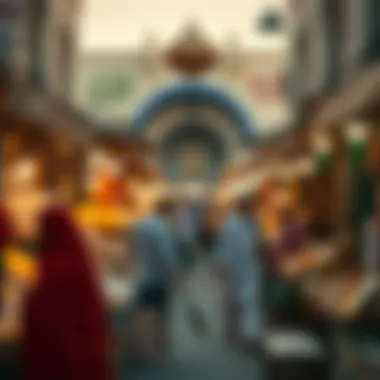

In addition, charitable acts flourish as part of Ramadan. It is common for individuals and organizations to distribute iftar meals or donate to local charities, embodying the spirit of giving that Ramadan encourages.
Influencing factors extend to real estate as well; property owners might find that certain properties are more appealing during Ramadan due to the influx of family gatherings and group activities.
"In the UAE, Ramadan is not just about fasting but is an extraordinary blend of tradition, family, and an intricate social tapestry that turns the month into a profound experience for many."
In summary, daily life during Ramadan in the UAE is characterized by a beautiful convergence of cultural richness and spiritual devotion. The observance of fasting, the traditions around iftar and suhoor, and the vibrant social gatherings, all weave into the fabric of this sacred month. The importance of these practices helps to reinforce the unity and community spirit that defines life in the Emirates during this time.
Commercial Impact of Ramadan
Ramadan holds a unique significance in the UAE, where it touches not only upon religious observance but also major aspects of daily life that include commerce and business operations. The month is not simply a time for spiritual reflection but also for economic activity. Businesses in the UAE often prepare meticulously for Ramadan, acknowledging that it influences customer behavior and the market landscape in various ways. Understanding this commercial impact helps local and expatriate businesses alike to capitalize on the opportunities that arise during this sacred month.
Business Adjustments During Ramadan
During Ramadan, businesses in the UAE implement various adjustments to align with the cultural observance and consumer behavior unique to this time. Operating hours typically change, with many firms opening later in the day and closing earlier, allowing employees to partake in evening prayers and family gatherings after breaking their fast.
Moreover, retailers often adapt their marketing strategies to align with the spirit of giving and community that's pronounced during Ramadan. Promotions often include special offers on food products, ranging from dates to other traditional delicacies, catering to consumers preparing for iftar meals.
The atmosphere also shifts; many businesses aim to create an inviting environment with festive decorations and special events aimed at enhancing the Ramadan experience for customers. For instance, supermarkets and malls might host iftar gatherings or special food festivals, attracting foot traffic while encouraging sales.
"For many, Ramadan is synonymous with a bustling marketplace, where sales surge and customer engagement peaks."
Effects on Real Estate Market Activities
The real estate market in the UAE is also significantly influenced by Ramadan. As this month approaches, property managers and investors often begin to evaluate its potential effects on leasing and sales activities. Observations reveal that residential leasing sees an uptick, as families often prioritize neighborhood proximity to mosques and community centers during this time. The desire for larger spaces suitable for hosting gatherings can lead to increased demand for specific types of properties.
Additionally, new developments or off-plan projects may experience more interest as investors tend to delay decisions until after Ramadan for fear of making commitments during a more subdued month. However, successful agents may utilize the heightened cultural consciousness to engage with clients by showcasing properties that provide value aligned with the spirit of Ramadan.
In summary, the commercial landscape shapes unique patterns during Ramadan that can hold both challenges and opportunities for businesses and investors in the UAE. The adjustments made by companies, coupled with the changing needs of consumers and the real estate market, signify a period where both culture and commerce intermingle, ultimately acknowledging the multi-faceted nature of Ramadan.
Ramadan and the Expatriate Community
For many expatriates residing in the UAE, Ramadan is more than just a period of fasting; it's a window into a rich cultural tapestry. Understanding the significance and practices of this holy month can help expatriates blend in seamlessly while deepening their appreciation for the traditions that shape their host country. The social dynamics and cultural nuances of Ramadan offer a unique experience for expatriates, who often find themselves partaking in festive activities that can bridge divides across diverse communities.
Adjusting to Cultural Norms
For expatriates, adapting to the cultural norms during Ramadan can be a learning curve. Fasting from dawn to dusk is central to this month, and it's essential to respect the customs around it. Non-Muslims are encouraged to refrain from eating or drinking in public during fasting hours as a sign of respect.
Moreover, many expatriates discover that engaging with their Muslim colleagues and neighbors during this period can cultivate camaraderie. Understanding phrases like “Ramadan Kareem,” which translates to wishing someone a generous Ramadan, can go a long way in strengthening those ties.
It’s worth noting, that many companies adjust their working hours during this time, and this can affect expatriates differently depending on their work environment. The work pace might change, allowing for a more relaxed atmosphere fostering community ties and understanding.
Opportunities for Community Involvement
Ramadan opens a multitude of avenues for community involvement among expatriates. Many local organizations and mosques welcome non-Muslims to participate in iftar meals, where people break their fast together at sunset. These gatherings are not only about food; they are about building relationships and fostering understanding.


- Volunteer Work: Numerous charities organize food drives or iftar distributions to those in need. Expatriates can lend a hand, helping to prepare or serve meals, which not only aids the community but also enriches their own experience.
- Cultural Festivals: Various activities and fairs during Ramadan display the cultural heritage of the UAE, featuring traditional crafts, food, and entertainment. Attending these events allows expatriates to feel part of the larger community.
By involving themselves in community service during Ramadan, expatriates contribute to a spirit of unity and compassion, key facets of this holy month.
The experience of Ramadan can serve as a beautiful reminder for expatriates of the significance of shared values, respect, and cultural appreciation. As they navigate through various customs and gatherings, they become not only witnesses to traditions but also active participants in the beautiful mosaic that is the UAE during Ramadan.
Anticipating Tomorrow's Ramadan
The anticipation that builds around Ramadan serves not just as a personal spiritual journey but as a cultural cornerstone within the UAE. As the holy month approaches, residents—both Muslim and expatriate—pay keen attention to the celestial cues and ritualistic practices that signal its onset. This section underscores the importance of looking towards tomorrow's Ramadan, focusing on significant elements that shape this eagerly awaited occasion.
Current Phase of the Lunar Cycle
The lunar calendar, pivotal in determining the Islamic months, governs when Ramadan begins. Islam observes months based on the cycles of the moon, typically taking about 29 to 30 days to complete a cycle. Current observations indicate that we are nearing the key phase of the lunar cycle where the new moon will rise, marking the potential start of Ramadan.
The role of moon sighting cannot be overstated in this context. Traditionally, members of the community gather for a simple, yet significant event—the sighting of the new crescent. This is not merely an astronomical observation; it’s imbued with cultural significance and becomes a communal endeavor. Various mosques and community centers across the UAE may organize such events, drawing in individuals and families eager to partake in this cherished tradition.
"The sighting of the moon is more than tradition; it's an anticipation that unites our community."
Understanding where we are in this lunar cycle creates a sense of unity among people. Everyone shares the same sky, waiting for the same signal that heralds the dawn of the month of fasting and reflection.
Projections for the Start of Ramadan
With the current lunar phase examined, projections for the start of Ramadan become a matter of collective interest. Typically, Ramadan is forecasted to begin around the 29th day of Sha'ban, depending on the sighting of the moon. However, predictions are tempered with the understanding that ummah (community) beliefs and the official announcements from the relevant authorities play essential roles in confirming the month's start.
In the UAE, the Federal Authority for Government Human Resources usually confirms the commencement of Ramadan, providing everyone with ample notice to prepare. This year, based on astronomical calculations and moon sighting practices, it’s expected that Ramadan may begin within the first week of March. Regardless, the anticipation often leads to planning for communal events, iftars, and spiritual gatherings.
For investors and property managers particularly, understanding when Ramadan starts is crucial. Real estate activities tend to see fluctuations during this month. Therefore, being ahead of the game can mean the difference between successfully engaging clients or missing out on fruitful opportunities. Thus, the fervent anticipation of tomorrow's Ramadan holds significance for multiple sectors within the UAE.
Culmination
In reflecting upon the multifaceted nature of Ramadan within the UAE, it becomes clear that this cherished month extends beyond mere fasting—it encapsulates deep cultural roots, community ties, and transformative opportunities. Ramadan serves as a powerful reminder of spiritual reflection, compassion, and communal harmony.
The importance of Ramadan lies not just in its religious observance but also in its capacity to shape social norms and business practices. The month encourages generous giving, seen prominently in charitable endeavors, where communities gather to support those in need. This selflessness adds a layer of complexity to the commercial landscape as businesses adapt their offerings to resonate with the spirit of giving.
Moreover, for expatriates navigating the nuances of UAE culture, understanding Ramadan’s significance facilitates deeper connections and enriches their experience in the country. It fosters an atmosphere of mutual respect and shared values, prompting expatriates to engage with local customs more meaningfully.
"The empathy gained through practicing Ramadan is invaluable for societal cohesion and personal growth, regardless of one's background."
Reflections on Ramadan's Importance
Ramadan is more than just a holy month; it's a profound journey that many undertake for a variety of reasons. For Muslims in the UAE, it stands as a chance for spiritual elevation and renewal. The act of fasting has physical, emotional, and spiritual dimensions, allowing individuals to develop a closer relationship with their faith.
Socially, Ramadan nurtures a sense of belonging and unity within communities. Families strengthen their bonds over Iftar meals; friends share meals and prayers, and the overall atmosphere becomes filled with gracious kindness. Businesses often adjust operations to respect the fasting hours, demonstrating how deeply the influence of Ramadan penetrates daily life. Traditional markets become vibrant hubs where people gather not only to shop but to share stories, laughter, and companionship.
Additionally, it is observed in the UAE that the significance of Ramadan extends into educational programs where seminars and workshops become commonplace, further emphasizing the values of compassion, charity, and understanding.
Looking Ahead
As we look towards the next Ramadan, anticipation builds not just for the beginning of fasting, but for the communal renewal it promises. Each lunar cycle brings the mystery of when Ramadan will commence, keeping everyone on their toes. The excitement is palpable, especially with local religious authorities announcing moon sightings and projections that guide the entire community.
Planning how to adapt life during Ramadan—whether it be adjusting business hours or rethinking social engagements—will become essential. For expatriates, the adaptation process offers a fresh perspective on integrating into the local culture and promoting intercultural relationships.
The future holds a sense of hope and opportunity, where Ramadan can further solidify its role as a cornerstone of UAE culture, continually shaping both community and individual identities. The convergence of traditions with modern-day practices ensures that each Ramadan will be unique, bringing new stories and experiences that enrich everyone's understanding of this significant period.